Nagi

Holds a degree in Viticulture and Enology from Geisenheim University in Germany. Served as Head Winemaker at a German winery. Experienced viticulturist and enologist. Currently working as an independent winemaker and consultant specializing in both viticulture and enology.

qualitycontrol

2025/7/29

Wine and Protein | Managing Causes of Haze and Allergies

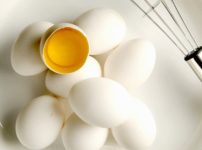
Wine contains protein. Many people are surprisingly unaware of this fact. Some might say, “I know about that. Proteins are added as fining agents, right?” That’s correct. However, wine also contains proteins that don’t originate from fining agents. One mi …

off-flavor

2025/7/22

Understanding Wine Reduction: The Most Significant Off-Flavor and Its Solutions

Wine occasionally develops unpleasant odors, defects, or off-flavors—unwelcome, sometimes distinctly repulsive aromas. Among the various unpleasant odors found in wine, “reduction” stands out as one of the most representative. Without fear of misunderstan …

oenology thorough-explanation

2025/7/21

Flor Yeast: The Film-Forming Yeast That Shapes Wine Character Through Biological Aging

Wine aging is a crucial element that deepens the wine’s flavor profile. While wines generally evolve through oxidative aging, an alternative method called “biological aging” is sometimes employed during the winemaking process. Biological aging is a matura …

column

2025/7/20

Can Yeast Constitute Terroir? Tracing the Genealogy of Genetics and Distribution

Various factors are considered important elements that contribute to the taste of wine. Among these, how significant would you position yeast as an element? In wine production, yeast plays an extremely important role. This is universally acknowledged. How …

oenology thorough-explanation

2025/7/29

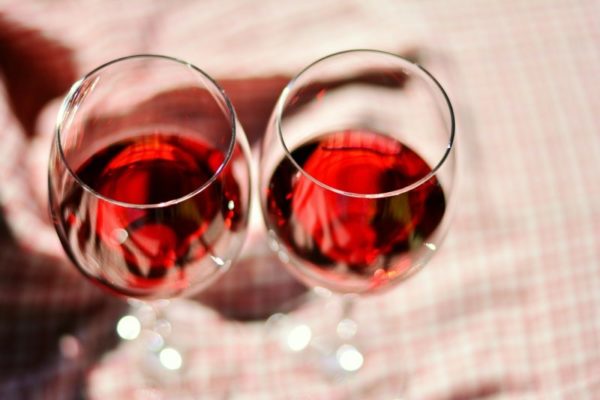
Why Are Red Wines Red?

Why are red wines red? Many people have probably wondered about this question at some point. When researching this question, you can generally find the following information: The cause of red wine’s color is a substance called anthocyanins To extract more …

grape-disease thorough-explanation

2025/7/29

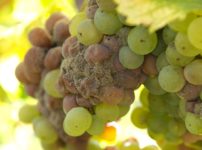
Noble Mold Composing the World’s Finest Wines, or the Great Enemy that Rots Grapes | What is Botrytis?

What constitutes the world’s finest wine? Would it be the red wines of Bordeaux or Burgundy? The cult wines centered in America? The beloved Champagne? Or perhaps the trendy natural wines of today? In Germany, the legally classified highest-grade wine is …

off-flavor

2025/7/17

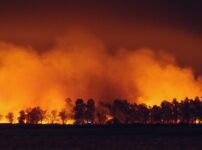
The Growing Wine Defect: What Is Smoke Taint?

There is a wine defect that is currently attracting attention. It is smoke taint. Smoke taint is a defect that occurs when grapes are exposed to smoke. In tasting, it is described with nuances such as “smoky,” “burnt rubber,” “bacon,” “disinfectant,” and …

so2 vinnatural

2025/7/17

How to Make Sulfur Dioxide-Free Wine

The terms “sulfur dioxide” or “sulfites” have become something of a dreaded unhealthy buzzword in Japan’s wine industry today, treated with the same revulsion as a venomous snake. Meanwhile, sulfur dioxide-free wines—those made without adding these antiox …

oenology

2025/7/16

Fundamentals and Applications of Non-Saccharomyces Yeasts: New Possibilities in Wine Production

The role of microorganisms in winemaking has been extensively studied throughout its history. Saccharomyces cerevisiae, which has long been the focus of attention as the primary agent of alcoholic fermentation, has become indispensable in modern winemakin …

off-flavor

2025/7/14

Wine and Volatile Acidity: Origins and Impact of Acetic Acid in Wine

Many people who study wine have encountered the term “VA” at some point. Initially, the meaning of this abbreviation may not be immediately clear. VA stands for Volatile Acid, which translates to “volatile acidity” in Japanese. More precisely, volatile ac …