


In-Depth Knowledge | Comprehensive Analysis Series
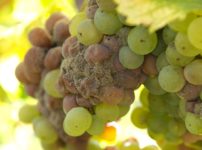
Noble Mold Composing the World’s Finest Wines, or the Great Enemy that Rots Grapes | What is Botrytis?
What constitutes the world’s finest wine? Would it be the red wines of Bordeaux or Burgundy? The cult wines centered in America? The beloved Champagne? Or perhaps the trendy natural wines of today? In Germany, the legally classified highest-grade wine is …
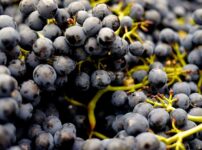
Myths and Realities of Whole-Cluster Fermentation: How Grape Stems Affect Wine
In the context of winemaking, you may have encountered terms such as “destemming” and “whole-cluster fermentation.” Both refer to how grape bunches are handled at the point of vatting. A grape cluster consists of many berries attached to a green, stem-lik …
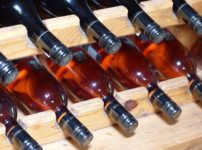
Complete Guide: Rosé Wine Production Methods and Their Characteristics
I once encountered an observation that “rosé wines are difficult to imagine even when you know their origin and grape variety.” While this is a fascinating perspective, as someone actually involved in winemaking, I find myself thinking, “Yes, that might i …
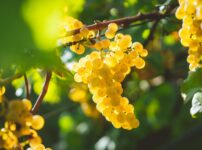
The Future of Wine? A Comprehensive Analysis of PIWI Varieties
Among wine professionals, grape varieties have increasingly become a topic of discussion. Grape varieties have long been subjects of debate regarding their relationship to selling prices, compatibility with cultivation regions, and the correlation between …
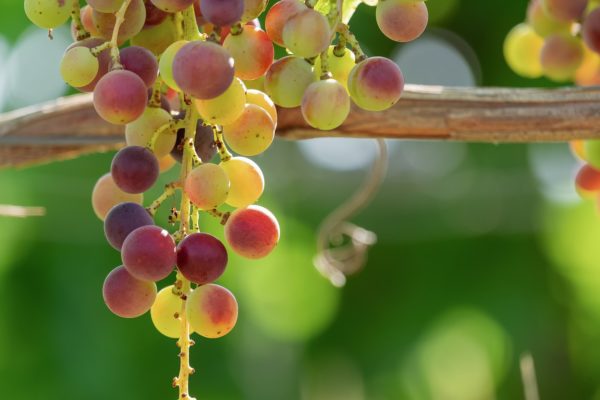
Bio and “Natural”: A Winemaker’s View from the Cellar
Whenever I occasionally post about “natural wine” on X (formerly Twitter), those posts tend to be shared relatively widely for my account size. This simply indicates how many people react to this particular keyword. In recent years, especially in Japan, t …
Flor Yeast: The Film-Forming Yeast That Shapes Wine Character Through Biological Aging
Wine aging is a crucial element that deepens the wine’s flavor profile. While wines generally evolve through oxidative aging, an alternative method called “biological aging” is sometimes employed during the winemaking process. Biological aging is a matura …
Understanding Wine Off-Flavors | Off-Flavor Analysis Series

How Light Changes Wine Aroma | Light-Struck Flavor
Light-struck flavor, or “nikkoushuu” in Japanese. The name might evoke images of freshly laundered white sheets fluttering under a clear blue sky, or the pleasant scent of sunshine when wrapped in those sheets. Unfortunately, that is not what this term re …

A Comprehensive Guide to Petrol Notes in Wine
Are you familiar with the term “petri notes”? This is a specialized term frequently used in wine tasting, particularly when evaluating aged Riesling wines. Experienced tasters can sometimes identify a wine’s grape variety as Riesling the moment they detec …
Wine and Volatile Acidity: Origins and Impact of Acetic Acid in Wine
Many people who study wine have encountered the term “VA” at some point. Initially, the meaning of this abbreviation may not be immediately clear. VA stands for Volatile Acid, which translates to “volatile acidity” in Japanese. More precisely, volatile ac …
Wine Off-Flavor | UTA / ATA
You tasted a white wine at a winery or wine shop and liked it enough to purchase it. However, you felt it was still a little early for drinking, so you decided to let it rest a bit longer in your home cellar. Six months later, at the dinner table. You kne …
Malolactic Fermentation and Wine Off-Flavors | The Dual Nature of MLF
Malolactic fermentation (MLF) is an oenological technique actively employed to reduce wine acidity and impart distinctive aromatic characteristics and nuances. MLF represents one of the microbial-mediated approaches in winemaking, and its appeal as a more …
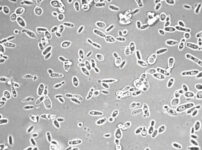
Brettanomyces: The Yeast Behind Brett Off-Flavors in Wine
You open a bottle of wine you’ve been looking forward to and pour it into your glass. As you bring your nose close to enjoy the aromatic bouquet rising from the wine, something seems off. Many of you have probably had this experience. Wine that produces u …


